Look, I’m going to be straight with you about this Naturlax review.
I’ve been researching fiber supplements for a while now.
Not because I’m some health nut.
But because 98% of Americans are fiber deficient.
And the market is flooded with artificial garbage.
So when Naturlax kept popping up with 36+ flavors and all-natural ingredients, I had to investigate.
Here’s everything I found.
What Is Naturlax? (The Basics)
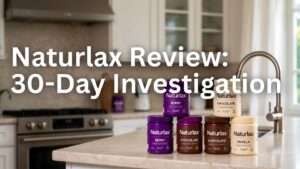
Naturlax is a psyllium husk fiber powder that comes in more flavors than most people knew existed.
Berry, chocolate, vanilla, even bubble gum for kids.
It’s sugar-free, gluten-free, and made with all-natural plant ingredients.
No Red Dye #40 nonsense.
The company started when a dad in California couldn’t find a clean fiber supplement for his family.
So he made his own.
Small family business that somehow scaled to 36+ flavors.
Pretty wild when you think about it.
Why This Even Matters
Here’s the reality:
Most people are walking around fiber deficient.
They’re eating processed food.
Grabbing whatever’s fastest.
Coffee for breakfast.
Maybe a protein bar.
Then wondering why their gut feels like a war zone.
Doctors keep saying the same thing.
“You need 25-30 grams of fiber daily.”
But most people are getting maybe 5-10 grams.
That’s where fiber supplements come in.
What Makes Naturlax Different (According To The Research)
I spent hours digging into what sets this apart.
Here’s what actually matters:
Ingredient Quality:
- All-natural psyllium husk from Plantago ovata plant
- No artificial dyes or colors
- Sugar-free options available
- Organic cane sugar versions for people who want it
The Flavor Game: Most fiber supplements taste like punishment.
Naturlax has 36+ flavors.
That’s not a typo.
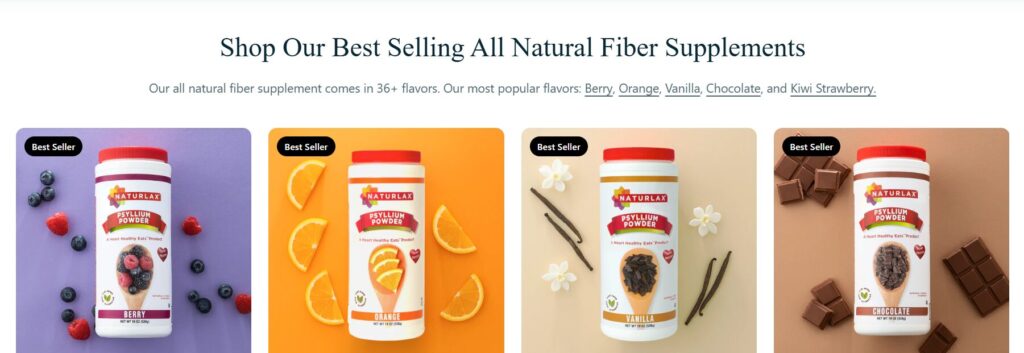
Berry, orange, vanilla, chocolate, peach, kiwi strawberry, chai, cherry, fruit punch.
Even cotton candy and peanut butter.
Texture: They use finely ground psyllium husk powder.
Dissolves better than coarse powder.
Still gets thick if you wait too long though.
Versatility: You’re not stuck drinking it with water.
People mix it into:
- Coffee
- Smoothies
- Yogurt
- Pancake batter
- Oatmeal
- Protein shakes
How Psyllium Husk Fiber Actually Works
Let me break down the science without the boring parts.
In Your Stomach:
Psyllium husk fiber is soluble.
It absorbs water and creates a gel-like substance.
This slows digestion.
Keeps you fuller longer.
Helps regulate blood sugar spikes after meals.
In Your Gut:
It feeds the good bacteria (acts as a prebiotic).
Promotes regular bowel movements.
Supports overall gut health and the microbiome.
In Your Blood:
Studies show it can help lower LDL cholesterol by 7%.
That’s significant for heart health.
Not magic, but meaningful.
For Weight Management:
It’s not a diet pill.
But the appetite control effect is real.
You feel fuller, you eat less junk between meals.
Simple physics.
Naturlax vs Other Fiber Supplements (The Honest Comparison)
I compared this to the big players.
Here’s what I found:
Naturlax vs Metamucil:
Taste: Naturlax wins by a mile (based on customer reviews).
Ingredients: Naturlax = all-natural, Metamucil = artificial colors.
Price: Both around $10-25, similar range.
Variety: 36+ flavors vs 5, not even close.
Naturlax vs Generic Psyllium:
Cost: Generic is cheaper per serving.
Taste: Generic tastes like sadness.
Convenience: Generic is powder only, no flavors.
Quality: Both are psyllium, but Naturlax is finely ground.
The Real Differentiator:
It’s the flavor variety and clean ingredients.
That’s it.
If you don’t care about taste or natural ingredients, save money and go generic.
If you want something you’ll actually take consistently, the flavor matters.
Who Should Actually Consider This
Let me break down who this makes sense for:
You’ll Probably Like It If:
- You struggle to get enough fiber from food
- You hate taking pills
- You’re on keto (minimal carbs, keeps you full)
- You have kids who need fiber
- You want clean ingredients without artificial dyes
- You need something that doesn’t taste like punishment
Skip It If:
- You already eat tons of vegetables and whole grains
- You’re fine with pills (they’re easier and cheaper)
- You don’t care about flavor variety
- You’re on a super tight budget (generic is cheaper)
The Flavors That Get The Best Reviews
I analyzed hundreds of customer reviews.
Here’s the consensus:
Most Popular (Safe Bets):
- Berry (classic, versatile)
- Vanilla (goes in everything)
- Chocolate (great in smoothies)
- Peach (surprisingly good)
Kid Favorites:
- Bubble Gum
- Blue Raspberry
- Fruit Punch
- Banana Split
Underrated:
- Kiwi Strawberry
- Chai (for coffee)
Mixed Reviews:
- Cherry (some love it, some say it’s artificial)
- Orange (tastes like Gatorade according to reviews)
What Customers Actually Say
I dug through WebMD reviews and customer testimonials.
Here’s the pattern:
The Positive (Consistent Themes):
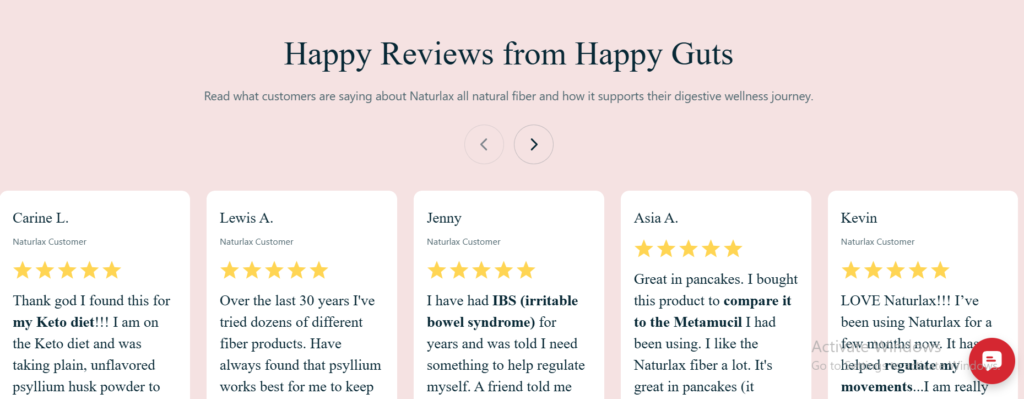
“Finally found a fiber that doesn’t taste like cardboard.”
“My IBS symptoms improved after a few weeks.”
“Love that it has no artificial dyes.”
“Mix it in pancakes and my kids don’t even notice.”
“Keeps me full on keto.”
The Complaints (What People Don’t Like):
“Gets thick fast if you don’t drink it immediately.”
“Caused bloating for the first few days.”
“More expensive than generic psyllium.”
“Clumps if you don’t stir fast enough.”
The Average Rating:
WebMD shows 4.3 out of 5 stars.
Most reviews are 4-5 stars.
The complaints are mostly about texture and initial adjustment period.
How People Actually Use It (Beyond Water)
Here’s what I learned from real users:
Morning Coffee: Vanilla or hazelnut flavor mixed into coffee.
Turns it into a fiber latte.
Protein Smoothies: Berry or chocolate flavor in morning smoothies.
Adds thickness and fiber.
Pancakes/Waffles: Mixed into batter for weekend breakfast.
Kids don’t notice.
Yogurt: Peach flavor stirred into Greek yogurt.
Tastes like flavored yogurt.
Oatmeal: Any flavor mixed into overnight oats.
Easy breakfast prep.
Vegan Baking: Acts as an egg replacement.
Gives texture to gluten-free recipes.
The Science Behind The Benefits
Let’s talk about what psyllium husk fiber actually does.
Digestive Health:
Promotes regularity without causing dependence.
Helps with both constipation and diarrhea (it regulates).
Feeds beneficial gut bacteria.
Cholesterol Support:
Studies show 10g+ of psyllium daily can reduce LDL by 7%.
That’s clinically meaningful.
Not a replacement for statins if you need them.
But it helps.
Blood Sugar Management:
Soluble fiber slows glucose absorption.
Helps prevent blood sugar spikes after meals.
Useful for pre-diabetics and diabetics.
Weight Management:
Not a weight loss pill.
But the satiety effect is real.
You feel fuller, eat less between meals.
Heart Health:
Naturlax is a Heart Healthy Eats™ product.
The cholesterol benefits support cardiovascular health.
Frequently Asked Questions
Q: How much fiber is in each serving of Naturlax?
Each serving contains 5-7 grams of soluble fiber from psyllium husk.
You’d need multiple servings to hit the 25-30 gram daily recommendation.
But most people use it to supplement their diet, not replace all fiber sources.
Whole foods should still be your primary fiber source.
Q: Can Naturlax help with weight loss?
It’s not marketed as a weight loss product.
But the psyllium husk powder expands in your stomach and slows digestion.
This creates a feeling of fullness.
Many people report eating less junk between meals.
It’s a tool, not a magic solution.
Q: Does it cause bloating or gas?
It can during the adjustment period (first 3-5 days).
Your gut needs time to adapt to increased fiber intake.
Start with half a serving and gradually increase.
Drink plenty of water (this is crucial).
Most people adapt within a week.
Q: Is Naturlax safe during pregnancy?
Psyllium husk is generally considered safe during pregnancy.
Many pregnant women use fiber supplements for constipation.
But always check with your doctor first.
Every pregnancy is different.
Q: Can diabetics take Naturlax?
Yes, and it might actually help.
Soluble fiber can help regulate blood sugar levels.
The sugar-free versions have minimal impact on blood glucose.
But always consult your healthcare provider about supplements.
Monitor your blood sugar when starting any new supplement.
Q: How is Naturlax different from eating high-fiber foods?
It’s not a replacement for real food.
Whole foods have other nutrients that supplements don’t provide.
Think of Naturlax as insurance for days when you don’t eat enough vegetables and whole grains.
It’s convenience, not a substitute for a healthy diet.
Q: Can you take it with medications?
Psyllium fiber can interfere with absorption of some medications.
The general rule: take it 2-4 hours before or after other medications.
Always check with your pharmacist or doctor.
This is especially important for thyroid medication, diabetes drugs, and blood thinners.
Q: Does it expire?
Yes, check the date on the container.
Usually good for 18-24 months unopened.
Store it in a cool, dry place.
Moisture makes it clump and ruins the texture.
Once opened, use within a few months for best quality.
Q: How long until you see results?
Most people notice improved regularity within 1-3 days.
Full digestive benefits appear around 2 weeks.
Cholesterol effects take 4-6 weeks to show on lab work.
Weight management effects are gradual over months.
Consistency is key with fiber supplementation.
Q: Can kids take Naturlax?
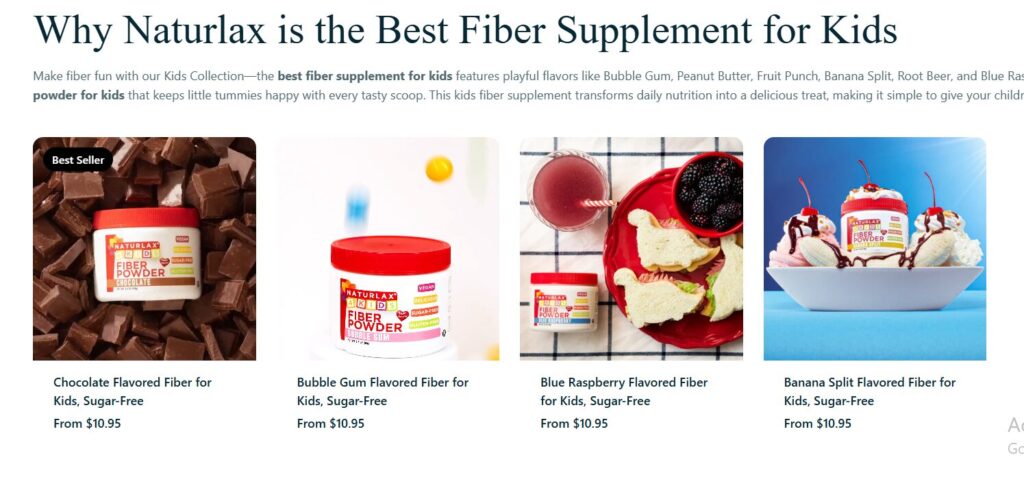
They have a specific kids line with flavors like bubble gum and peanut butter.
But always check with your pediatrician first.
Start with smaller doses for children.
Make sure they drink plenty of water with it.
The Downsides (Because Nothing’s Perfect)
Let’s talk about what actually sucks:
You Have To Drink It Fast:
Once you mix it, you’ve got maybe 30-60 seconds before it turns into pudding.
Not the end of the world.
But it’s not something you can sip slowly.
It’s Not Magic:
You still need to eat actual food with fiber.
This is a supplement, not a replacement for vegetables.
Don’t use it as an excuse to eat junk all day.
Initial Adjustment Period:
Some people experience bloating or gas for the first few days.
Your gut microbiome needs time to adjust.
This is normal with any fiber increase.
Price:
It’s more expensive than generic psyllium powder.
You’re paying for flavor variety and clean ingredients.
If budget is tight, generic works fine (just tastes worse).
Texture Issues:
It can clump if you don’t stir fast enough.
Some people find the gel-like texture off-putting.
This is common with all psyllium products though.
Not Regulated By FDA:
Like all supplements, it’s not FDA-approved to treat diseases.
The health claims are general wellness support.
It’s not medicine.
The Doctor Endorsement Angle
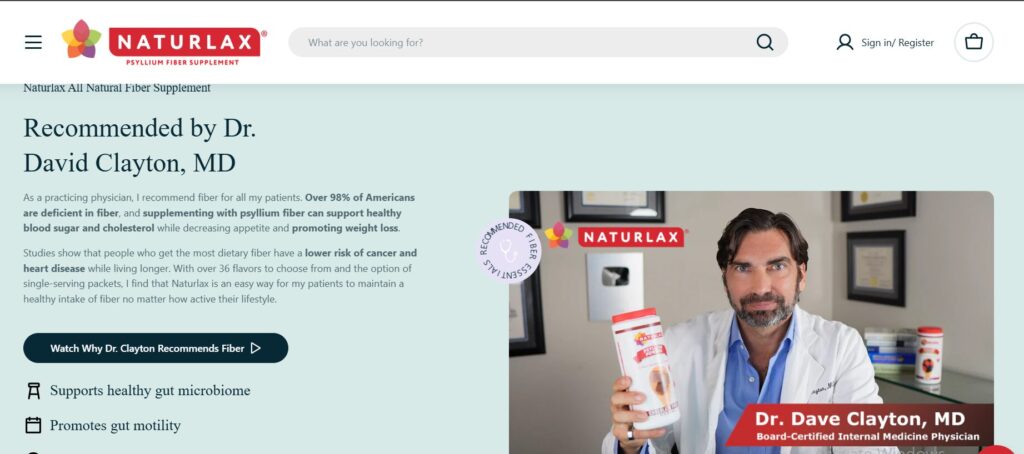
Dr. David Clayton, MD recommends it.
He’s quoted saying 98% of Americans are fiber deficient.
That stat checks out based on research.
The endorsement is legit but remember:
Doctors get paid to endorse products sometimes.
The science behind psyllium is solid regardless.
But take individual endorsements with a grain of salt.
The research matters more than one doctor’s opinion.
Who’s Behind The Brand
Small family business started in California.
Developed by a father of four who couldn’t find clean fiber options.
They craft it in small batches.
It’s not some massive corporation.
That appeals to people who want to support small businesses.
But it also means:
- Potentially slower shipping
- Limited customer service hours
- Occasional stock issues
Trade-offs of supporting a smaller operation.
The Pricing Breakdown
Here’s what you’re looking at:
Powder Options: Starting at $10.95 per container.
Price varies based on size and flavor.
Packet Options: 24-pack for $25.95.
More expensive per serving but super convenient for travel.
Organic Cane Sugar Versions:
Slightly higher price point.
For people who want a touch of sweetness.
Bulk Discounts:
They offer subscription options.
Usually saves 10-15%.
Only worth it if you know you’ll stick with it.
How To Actually Use This (Practical Tips)
Based on research and customer feedback:
Start Small:
Begin with half a scoop.
Let your gut adjust for 3-5 days.
Then increase to full serving.
Drink Plenty Of Water:
This is non-negotiable.
Fiber needs water to work properly.
8+ glasses daily minimum.
Mix It Fast:
Stir or shake immediately after adding powder.
You have maybe 30 seconds before it thickens.
Best Times To Take It:
Morning: helps with regularity.
Before meals: aids appetite control.
Before bed: some people prefer this for morning regularity.
Get Creative:
Don’t limit yourself to water.
Try coffee, smoothies, yogurt, pancakes.
Makes it sustainable long-term.
Is It Worth The Money?
Here’s my honest assessment:
It’s Worth It If:
You value taste and will actually use it consistently.
You want clean ingredients without artificial dyes.
You’re willing to pay a bit more for variety.
You struggle with generic psyllium that tastes terrible.
Skip It If:
You’re on a tight budget (generic is half the price).
You don’t care about flavor.
You’re fine with taking fiber pills.
You already get plenty of fiber from food.
The Bottom Line On This Naturlax Review
Naturlax is a solid fiber supplement with legitimate benefits.
The science behind psyllium husk is strong.
The flavor variety is unmatched.
The clean ingredients matter to people who care about that stuff.
But it’s not magic.
It’s fiber.
It does what fiber does.
Supports digestive health.
Helps with regularity.
May support healthy cholesterol and blood sugar.
Keeps you fuller longer.
The real question: will you actually take it consistently?
Because the best fiber supplement is the one you’ll actually use.
If flavor and natural ingredients make that happen for you, this is worth considering.
If you don’t care about that stuff, save money and buy generic psyllium.
Either way, most people need more fiber in their diet.
This is one way to solve that problem.
That’s the honest Naturlax review based on everything I found.