Finding the best milk for gut health shouldn’t feel like solving a Rubik’s cube blindfolded.
But here you are.
Standing in the dairy aisle.
Overwhelmed by 47 different milk options.
And your gut is screaming at you every time you pick the wrong one.
I’ve been there.
And here’s what nobody tells you about finding the best milk for gut health: it’s not about what’s “healthiest” according to some lab study.
It’s about what doesn’t make YOUR gut feel like a war zone.
Let’s fix this.
Why Your Gut Hates Regular Milk (And What To Do About It)
Here’s the deal.
Two-thirds of the world’s population can’t digest lactose properly.
In the US alone, almost 40% of adults are lactose intolerant.
That’s not a small number.
That’s nearly half of everyone you know potentially dealing with bloating, gas, and running to the bathroom after a glass of milk.
But here’s what most people miss:
Lactose intolerance isn’t the only reason your gut might reject milk.
You could have:
- IBS (irritable bowel syndrome) that gets triggered by certain milk components
- A milk allergy (which is different from intolerance)
- Sensitivity to additives and emulsifiers in plant-based milks
- Issues with high-FODMAP foods
The solution isn’t one-size-fits-all.
It’s about matching the right milk to YOUR specific gut issues.
The 9 Best Milk for Gut Health Options (Ranked By What They Actually Do)
1. Lactose-Free Milk: The Safe Bet for Gut Health
This is regular cow’s milk with one key difference.
The lactose is already broken down for you.
When it comes to gut health and digestive wellness, lactose-free milk is the easiest transition.
What’s in it:
- 8.4g protein per cup
- 322mg calcium (25% of what you need daily)
- 2.68mcg vitamin D
- All the nutrients of regular milk
- Zero lactose
Who it’s for:
- People with lactose intolerance
- IBS sufferers who can’t handle regular dairy
- Anyone who misses the taste of real milk
Who should avoid it:
- People with actual milk allergies
- Those with eczema triggered by dairy
Popular options: Lactaid Whole Milk and Fairlife Lactose-Free Milk are solid choices you can grab on Amazon.
The taste is slightly sweeter than regular milk.
But your gut won’t hate you for it.
2. Goat’s Milk: The Underrated Gut-Friendly Option

Most people sleep on this one.
Big mistake.
Goat’s milk has smaller fat globules and shorter protein chains.
Translation: easier to digest and better for gut health.
What’s in it:
- 8.7g protein
- 327mg calcium
- 498mg potassium
- Higher in fat than cow’s milk
The catch:
Some people who are allergic to cow’s milk are also allergic to goat’s milk.
They’re both from the Bovine family.
Always test carefully if you have allergies.
Who it’s for:
- People with mild lactose intolerance
- Those who struggle with cow’s milk digestion
- Anyone wanting more nutrients per serving
The taste is stronger.
Not everyone loves it straight.
But in smoothies or coffee? Game changer.
Meyenberg Goat Milk is widely available and well-reviewed.
3. Almond Milk: The Popular Plant-Based Milk for Digestive Health

This is the most popular plant-based milk in North America.
And for good reason.
When considering dairy-free options, almond milk consistently ranks as one of the best milk for gut health alternatives.
What’s in it:
- Only 29 calories per cup
- 451mg calcium (more than cow’s milk)
- 5mcg vitamin D (25% daily value)
- Virtually no protein (1g)
The upside:
It’s dairy-free, lactose-free, gluten-free, and soy-free.
Works for almost every dietary restriction except nut allergies.
The downside:
Almost zero protein.
If you depend on milk for protein, this isn’t it.
Who it’s for:
- People with multiple food allergies
- Those watching calories
- IBS sufferers (it’s low-FODMAP and gentle on gut health)
Who should avoid it:
- Anyone with nut allergies
- People who need protein from their milk
Go for unsweetened versions only.
Sweetened almond milk is just sugar water with almond flavoring.
Silk Unsweetened Almond Milk and Califia Farms Unsweetened Almond Milk are both solid picks.
4. Oat Milk: The Barista’s Choice for Digestive Wellness
Oat milk froths like a dream.
That’s why every coffee shop switched to it.
For those seeking the best milk for gut health in their morning coffee, oat milk delivers.
What’s in it:
- 120 calories
- 2g protein
- More fiber than most plant milks
- 368mg calcium (when fortified)
The truth about oat milk:
Most of the healthy compounds in oats don’t make it into the milk.
The manufacturing process strips them out.
But it’s still better than many alternatives for maintaining gut health.
Who it’s for:
- People with IBS (it’s low-FODMAP)
- Those with lactose intolerance
- Coffee lovers who want creamy texture
Watch out for added oils and thickeners.
Not all oat milks are created equal.
Oatly Oatmilk and Chobani Oat Milk are cleaner options with fewer additives that could irritate gut health.
5. Soy Milk: The OG Plant Milk with Complete Nutrition
Soy milk has been around forever.
And nutritionally, it’s the closest to cow’s milk.
For those prioritizing both protein and gut health, soy milk delivers on both fronts.
What’s in it:
- 8.7g protein (same as cow’s milk)
- Lower in fat than dairy
- Soy isoflavones (beneficial plant compounds)
- 246mg calcium (varies by brand)
The FODMAP catch:
Soy milk made from whole soybeans contains GOS (a FODMAP).
Soy milk made from soy protein extract doesn’t.
If you have IBS, check the label.
You need the protein extract version for optimal gut health.
Who it’s for:
- People wanting high protein
- Those with lactose intolerance
- Anyone avoiding animal products
Silk Organic Unsweetened Soymilk is made from soy protein and works well for sensitive digestive systems.
6. Hemp Milk: The Protein Winner for Gut Wellness
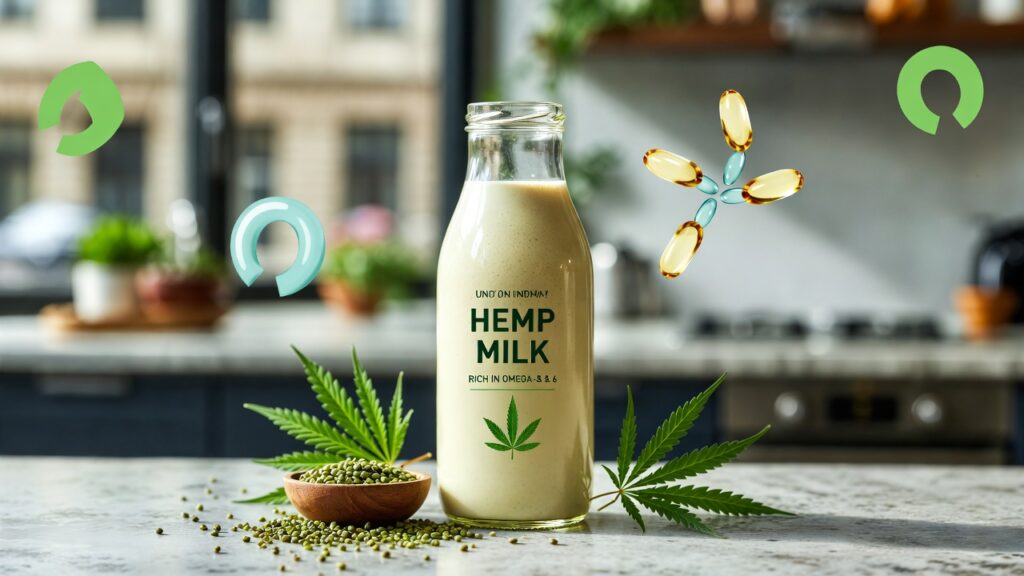
Hemp milk doesn’t get enough credit.
It’s higher in protein than almond or coconut milk.
And it’s packed with omega-3 fatty acids that support gut health.
What’s in it:
- 3g protein (better than most plant options)
- 282mg calcium
- 2mcg vitamin D
- 318mg phosphorus
- Zero carbs in unsweetened versions
Who it’s for:
- Vegetarians needing plant protein
- People with IBS (low-FODMAP and excellent for gut health)
- Those wanting omega-3s without fish
The nutty flavor works great in smoothies.
Less great in coffee.
Pacific Foods Hemp Milk is a reliable brand that’s easy on digestion.
7. Coconut Milk: The Creamy Dairy Alternative
Coconut milk brings serious creaminess.
But it comes with trade-offs.
As one of the best milk for gut health options for multiple allergies, coconut milk is versatile.
What’s in it:
- 76 calories
- 459mg calcium (35% daily value)
- 5.1g fat (mostly saturated)
- Almost no protein (0.5g)
The portion rule:
If you have IBS, stick to 3/4 cup or less.
Larger portions can trigger symptoms and disrupt gut health.
Who it’s for:
- People with multiple food allergies
- Those wanting rich texture
- Anyone with lactose intolerance
Who should watch out:
- People limiting saturated fat
- Those needing protein from milk
So Delicious Unsweetened Coconut Milk is a clean option without gut-irritating additives.
8. Rice Milk: The Allergy-Friendly Choice for Sensitive Guts
Rice milk is the Switzerland of milk alternatives.
It rarely causes allergic reactions.
For those with severe food sensitivities affecting gut health, rice milk is often the safest starting point.
What’s in it:
- 115 calories
- Higher in carbs (12.9g)
- 288mg calcium
- Very low protein (0.7g)
Who it’s for:
- People with multiple allergies
- Those with IBS (low-FODMAP)
- Children with dietary restrictions
It’s sweet naturally.
But lacks the protein and nutrients most people need.
9. Kefir: The Gut Health Powerhouse
This is the secret weapon.
Kefir is fermented milk loaded with probiotics.
If you’re looking for the best milk for gut health that actually heals, kefir is it.
What makes it different:
The fermentation process:
- Lowers lactose content
- Adds beneficial bacteria for improved gut health
- Creates a tangy, drinkable yogurt texture
- Supports digestive wellness actively
Who it’s for:
- People wanting to improve gut health actively
- Those with mild lactose intolerance (fermentation reduces lactose)
- Anyone looking to add probiotics to their diet
Lifeway Kefir comes in multiple flavors and is widely available.
It may actually heal your gut instead of just not hurting it.
How to Actually Choose the Best Milk for YOUR Gut Health
Stop following what influencers drink.
Start following what your gut tells you.
Choosing the best milk for gut health is personal.
Ask yourself these questions:
Do you have lactose intolerance?
- Go lactose-free cow’s milk or plant-based options
- Avoid regular dairy completely
- Monitor your gut health improvements
Do you have IBS or digestive issues?
- Check the Monash University FODMAP app
- Stick to low-FODMAP portions
- Avoid high-FODMAP varieties that compromise gut health
Do you have a milk allergy?
- Skip all dairy including goat’s milk
- Choose plant-based only
- Read labels obsessively for gut health safety
Do you need protein?
- Choose soy, cow’s, or goat’s milk
- Hemp milk if you’re plant-based
- Skip almond and coconut for protein needs
Are you watching calories?
- Almond milk (unsweetened) wins
- Avoid full-fat options
- Watch for added sugars that affect gut health
Do you care about calcium and vitamin D for bone and gut health?
- Most milks are fortified now
- Check the label for actual amounts
- Don’t assume plant milks automatically have less
The Label Reading Strategy for Gut-Friendly Milk
Most people buy milk wrong.
They look at the front of the package.
Big mistake.
Finding the best milk for gut health requires reading the fine print.
Here’s what to check on the back:
Ingredient list:
- Fewer ingredients = better for gut health
- Watch for thickeners and emulsifiers
- Some emulsifiers cause gut inflammation
Sugar content:
- Unsweetened should have 0g added sugar
- Natural milk sugars are fine
- Flavored varieties are usually sugar bombs that disrupt gut health
Protein:
- 7-8g per cup is ideal
- Plant milks except soy are usually 1-3g
- Zero protein means you need protein elsewhere
Fortification:
- Calcium should be 25-35% daily value (supports gut health)
- Vitamin D should be 10-25% daily value
- Not all brands fortify equally
Allergen warnings:
- Required by law for top 8 allergens
- Includes milk, nuts, soy
- Check for “may contain” warnings if you have severe gut issues
The Mistakes Everyone Makes (And How to Protect Your Gut Health)

Mistake #1: Thinking all plant milks are healthy for gut health
Many are ultra-processed.
Loaded with additives that irritate digestive systems.
Barely contain any actual nuts or oats.
Fix: Make your own or buy brands with minimal ingredients for better gut health.
Mistake #2: Not testing portion sizes
Just because a milk is “safe” doesn’t mean you can chug it.
Coconut milk is low-FODMAP in small amounts.
Large amounts? Gut chaos.
Fix: Start with small portions and increase slowly while monitoring gut health.
Mistake #3: Buying sweetened versions that harm gut health
Sweetened almond milk can have 13g of sugar.
That’s more than some sodas.
Sugar disrupts gut bacteria balance.
Fix: Always choose unsweetened unless you’re using it as a treat.
Mistake #4: Ignoring protein needs for overall gut wellness
If milk is your main protein source, switching to almond milk tanks your protein intake.
Protein is essential for gut lining repair.
Fix: Either choose high-protein alternatives or add protein elsewhere for gut health.
Mistake #5: Not reading about allergen cross-contamination
“May contain milk” warnings exist for a reason.
Cross-contamination can trigger gut issues in sensitive individuals.
Fix: If you have severe allergies affecting gut health, contact manufacturers directly.
When Plant Milk Isn’t Actually Better for Gut Health
Here’s what the marketing doesn’t tell you.
Plant milk manufacturing often:
- Destroys most of the nutritional value from the original plant
- Adds tons of new ingredients that may irritate gut health
- Creates a product that barely resembles the source
A 2020 study showed that in terms of pure nutrition, dairy milk typically wins.
Among plant options, soy comes closest to matching dairy’s nutritional profile.
But “nutritious” doesn’t mean “good for your gut health.”
If dairy destroys your stomach, it doesn’t matter how nutritious it is.
You can’t absorb nutrients while you’re living in the bathroom.
The Real Talk on Gut Health and Milk Choices
Your gut is unique.
What works for someone else might wreck you.
What wrecks someone else might be perfect for you.
The best milk for gut health isn’t the one with the best marketing.
It’s the one that:
- Doesn’t trigger your digestive symptoms
- Fits your nutritional needs
- Works with your budget
- Tastes good enough that you’ll actually drink it
- Supports your overall gut wellness goals
Working With a Professional for Personalized Gut Health Solutions
If you’re still struggling to find the best milk for gut health, stop guessing.
A registered dietitian can:
- Identify your specific triggers affecting gut health
- Create a personalized eating plan
- Help you get nutrients you’re missing
- Adjust recommendations as your gut heals
- Monitor your gut health improvements over time
Most insurance now covers nutrition counseling.
Check if yours does.
It’s worth it if you’ve been suffering for months with compromised gut health.
Frequently Asked Questions About Milk and Gut Health

Q: What is the best milk for gut health if I’m lactose intolerant?
Lactose-free milk is usually the safest bet for gut health.
It has all the nutrients of regular milk without the lactose that triggers symptoms.
Plant-based options like almond, oat, or soy milk also work well for lactose intolerance.
Test different options to see which supports your gut health best.
Q: Can I drink regular milk if I’m only slightly lactose intolerant?
Some people with mild lactose intolerance can handle small amounts without gut health issues.
Or they tolerate certain dairy products better than others.
Hard cheeses have less lactose than milk.
Greek yogurt is easier to digest than regular yogurt.
Test carefully and listen to your gut.
Q: Is organic milk better for gut health?
From a gut health standpoint, there’s no significant difference.
The lactose content is the same.
The digestibility is the same.
Organic matters more for pesticide exposure than gut symptoms.
Q: Why does some almond milk upset my stomach if it’s lactose-free?
Check for additives that compromise gut health.
Carrageenan, guar gum, and other thickeners can irritate sensitive guts.
Some people also react to almonds themselves.
Try a different brand with fewer ingredients for better gut health.
Q: Which plant-based milk is best for gut health?
It depends on your specific issues.
Oat milk and hemp milk are low-FODMAP and gentle on IBS.
Soy milk provides complete protein for gut repair.
Almond milk works for multiple allergies.
Test each one for a week to determine the best milk for your gut health.
Q: Can I mix different types of milk for optimal gut health?
Absolutely.
Use almond milk in coffee, cow’s milk in protein shakes, oat milk in cereal.
Match the milk to the use case.
There’s no rule saying you need one milk for everything.
Variety can actually support diverse gut bacteria for better gut health.
Q: How long does it take to see gut health improvements after switching milk?
Most people notice changes within 3-7 days.
If you’re still having issues after two weeks, that milk probably isn’t the problem.
Or you need to look at other dietary triggers affecting your gut health too.
Q: Are milk alternatives safe for kids’ gut health?
Most are, but kids need adequate protein and calcium for growth and gut development.
Almond and coconut milk are low in protein.
If switching kids to plant milk, choose fortified soy or pea protein milk for gut health.
Consult with a pediatrician first.
Q: Does the fat content in milk affect gut health and digestion?
For some people, yes.
Full-fat milk can be harder to digest if you have gallbladder issues or fat malabsorption.
For others, the fat actually slows digestion in a good way, reducing symptoms and supporting gut health.
Test both and see which works better for your digestive system.
Q: Can I make my own nut milk at home for better gut health?
Yes, and it’s simpler than you think.
Soak nuts overnight, blend with water, strain through cheesecloth.
Homemade versions have zero additives that might irritate gut health.
But they also have zero fortification.
You’ll need to get calcium and vitamin D elsewhere.
Q: Is kefir really the best milk for gut health?
Kefir is unique because it actively improves gut health with probiotics.
Most other milks just don’t harm your gut.
Kefir actually heals it by adding beneficial bacteria.
If you can tolerate the fermented dairy, it’s one of the best options for gut wellness.
The Bottom Line on the Best Milk for Gut Health
Stop overthinking this.
Start with the obvious culprit: lactose.
Try lactose-free milk first.
If that doesn’t work, test plant-based options one at a time.
Give each one a full week.
Track your symptoms.
Monitor your energy levels.
Pay attention to digestive patterns.
The best milk for gut health is the one that lets you live your life without planning bathroom routes everywhere you go.
That’s it.
That’s the whole game.
Everything else is just details.
Finding the best milk for gut health is about listening to your body, testing methodically, and choosing what actually works for YOUR unique digestive system.