If you’re dealing with a lean gut, you’re probably wondering what the hell is happening to your body.
I get it.
One day you’re feeling fine, the next your stomach looks like you swallowed a basketball.
But here’s the thing – a lean gut isn’t just about looks.
It’s your body screaming that something’s seriously wrong.

What Is Lean Gut Really?
Let me break this down for you straight up.
A lean gut is that weird, bloated belly you get from drinking lean (purple drank, sizzurp, whatever you call it).
It’s not just regular weight gain.
It’s this bizarre situation where you’re skinny everywhere else but your stomach looks pregnant.

The technical stuff?
Your digestive system is basically broken.
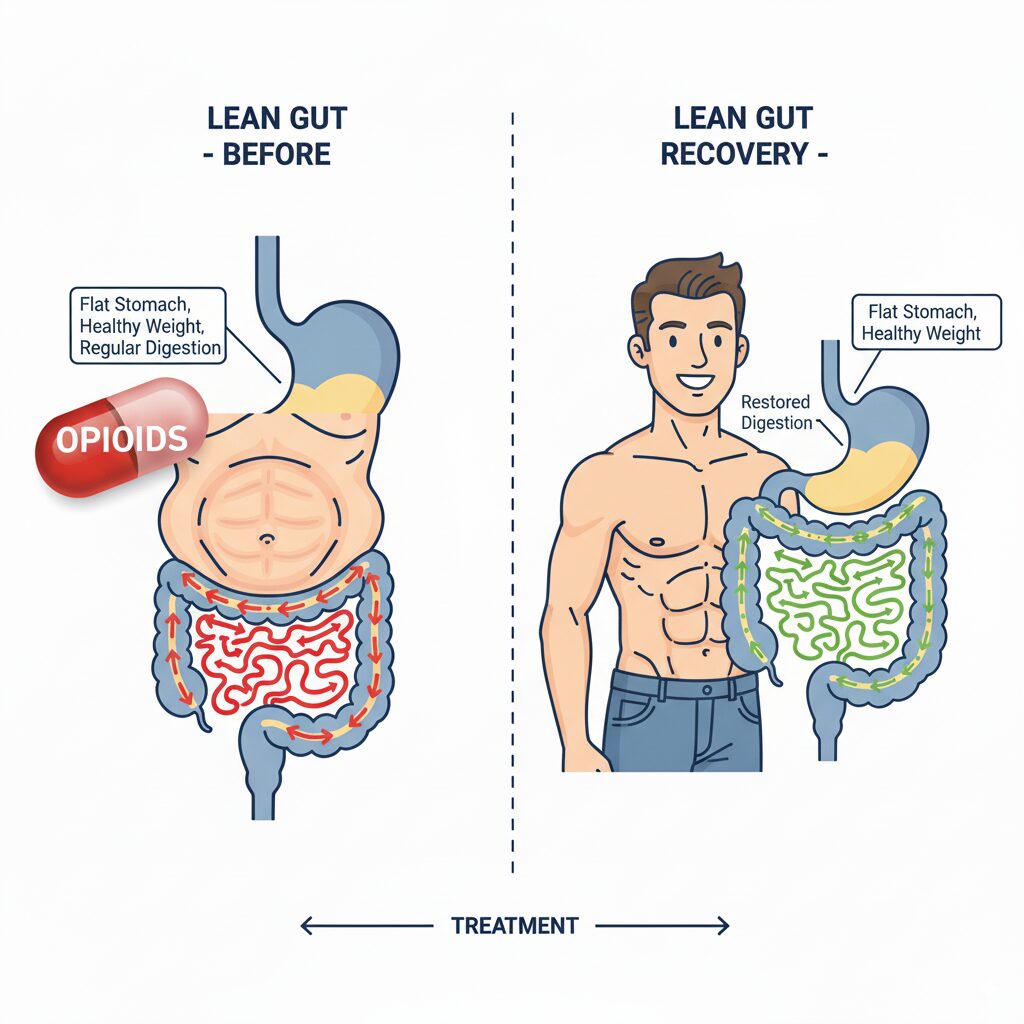
The codeine in lean slows everything down.
Your gut bacteria gets messed up.
And all that sugar from the soda creates chaos in your intestines.
Why Does Lean Cause This Gut Problem?
Three main culprits:
- Codeine: This opioid literally paralyzes your digestive muscles
- Promethazine: Makes the slowdown even worse
- Sugar overload: From all that soda and candy
Your body can’t process food normally anymore.
Everything just sits there, fermenting and causing bloating.

The Science Behind Lean Gut (Simple Version)
I’m not going to bore you with medical jargon.
Here’s what’s actually happening inside your body:

Your Digestive System Gets Hijacked
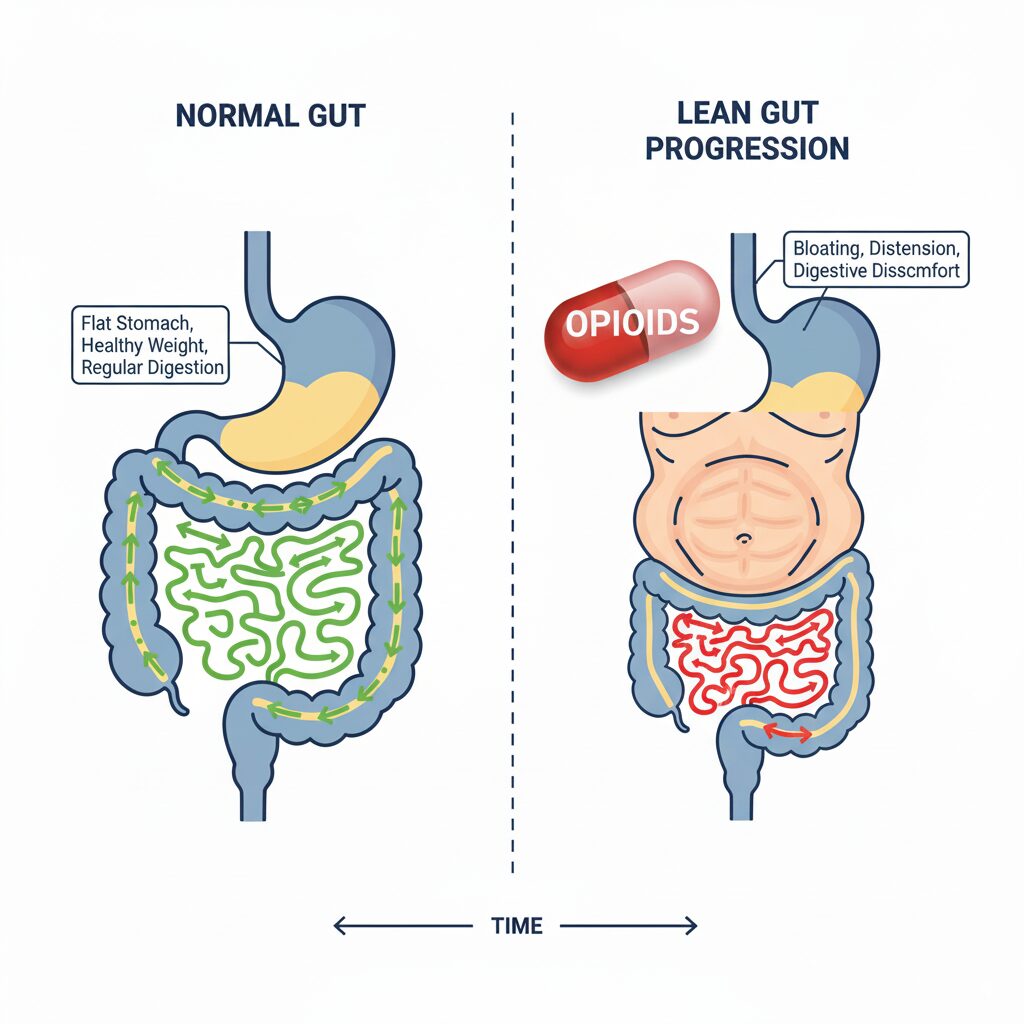
Normal digestion:
- Food goes in
- Muscles push it through
- Waste comes out
Lean gut digestion:
- Food goes in
- Muscles barely work
- Everything gets stuck
- Bloating and pain follow
The opioid-induced constipation is real.
I’m talking days without a bowel movement.
Your stomach starts looking like you’re smuggling a watermelon.
The Sugar Problem
Lean contains massive amounts of sugar.
We’re talking about multiple sodas worth of sugar in one drink.
This sugar:
- Feeds bad bacteria in your gut
- Causes inflammation
- Leads to more bloating
- Creates digestive chaos

Signs You’re Developing Lean Gut
Don’t wait until you look like you’re carrying twins.
Watch for these early warning signs:
Physical Signs:
- Bloating that won’t go away
- Hard, distended stomach
- Clothes fitting weird around your midsection
- Stomach sticking out disproportionately
- Feeling like you’re constantly full
Digestive Issues:
- Severe constipation (days without bowel movements)
- Stomach cramps and pain
- Feeling sick after eating
- Gas and bloating after meals
- Loss of appetite
Other Red Flags:
- Difficulty breathing when lying down
- Back pain from the belly weight
- Skin stretching around your stomach
- People asking if you’re pregnant
Real talk: If you’re experiencing these symptoms, your body is in distress. This isn’t something that just “goes away” on its own.
The Hidden Dangers Nobody Talks About
Everyone focuses on the visible belly.
But lean gut comes with serious health risks that could kill you.
Intestinal Blockage
When nothing moves through your system for days, you risk complete blockage.
This is a medical emergency.
I’ve seen people end up in the ER because their intestines literally stopped working.
Toxic Buildup
All that waste sitting in your system?
It becomes toxic.
Your body starts reabsorbing the bad stuff it was trying to get rid of.
Gut Bacteria Destruction
The good bacteria in your gut get wiped out.
Bad bacteria take over.
This affects everything:
- Your immune system
- Your mental health
- Your ability to digest food
- Your overall health
How I’ve Seen People Reverse Their Lean Gut
Here’s the brutal truth.
You can’t fix a lean gut while still drinking lean.
It’s like trying to put out a fire while pouring gasoline on it.
But I’ve worked with people who’ve completely turned their gut health around.

Step 1: Stop The Damage
First things first – the lean has to go.
I know this isn’t what you want to hear.
But there’s no magical supplement that fixes lean gut while you’re still causing the damage.
Get professional help if you need it.
Addiction is real, and codeine withdrawal is no joke.
Step 2: Emergency Gut Reset
Once you stop the lean, your gut needs immediate help:
- Hydration overload: Water, water, water
- Fiber gradually: Start small or you’ll make bloating worse
- Probiotics: Rebuild your gut bacteria
- Movement: Even light walking helps digestion
Important: Don’t go crazy with fiber immediately. Your digestive system is damaged. Too much fiber too fast will make you feel worse.
Step 3: Strategic Food Choices
Not all foods are created equal when you’re healing lean gut.
Foods that help:
- Bone broth (heals intestinal lining)
- Fermented vegetables (good bacteria)
- Cooked vegetables (easier to digest)
- Lean proteins (muscle recovery)
- Herbal teas (digestive support)
Foods that hurt:
- Processed sugar (feeds bad bacteria)
- Fried foods (hard to digest)
- Raw vegetables initially (too harsh)
- Carbonated drinks (more bloating)
- Artificial sweeteners (gut bacteria disruption)
The 30-Day Lean Gut Recovery Protocol
This is what actually works.
I’ve refined this over years of helping people recover.
Week 1: Damage Control
Focus: Get things moving again
- Drink 1 gallon of water daily
- Take a gentle stool softener if needed
- Eat only soft, cooked foods
- Walk for 10 minutes after each meal
- Take a basic probiotic
You might feel worse before you feel better.
That’s normal.
Your body is detoxing and trying to remember how to digest.
Week 2: Gentle Healing
Focus: Support natural digestion
- Add bone broth twice daily
- Introduce cooked vegetables
- Start digestive enzymes with meals
- Increase walking to 15 minutes
- Add ginger tea for nausea
Week 3: Building Momentum
Focus: Strengthen digestive function
- Add raw vegetables gradually
- Increase fiber slowly
- Try intermittent fasting (12 hours)
- Add strength training
- Include fermented foods
Week 4: Optimization
Focus: Long-term gut health
- Normal diet with gut-friendly choices
- Regular exercise routine
- Stress management techniques
- Continue probiotics
- Plan for long-term success

Supplements That Actually Help Lean Gut
I’m not going to recommend 20 different supplements.
Most are garbage.
Here are the ones that actually move the needle:
The Essential 4:
- High-quality probiotic: Look for 50+ billion CFUs with multiple strains
- Digestive enzymes: Take with meals to help break down food
- Magnesium: Helps with constipation and muscle function
- Psyllium husk: Gentle fiber that bulks up stool
Don’t take everything at once.
Start with probiotics and magnesium.
Add the others after week 2.
Timing Matters
- Probiotics: On empty stomach, first thing in morning
- Digestive enzymes: With first bite of food
- Magnesium: Before bed
- Psyllium husk: Between meals with lots of water
Ready for the complete gut healing system?
What Nobody Tells You About Recovery Time
Everyone wants to know: “How long until my lean gut goes away?”
Here’s the honest timeline:
Week 1-2: Initial Relief
- Constipation starts improving
- Some bloating reduction
- Better sleep
- More energy
Month 1-3: Visible Changes
- Stomach size decreases noticeably
- Clothes fit better
- Digestion normalizes
- Appetite returns to normal
Month 3-6: Full Recovery
- Gut bacteria fully restored
- No more digestive issues
- Normal stomach appearance
- Strong immune system
Reality check: Some people recover faster, others take longer. Age, how long you used lean, and your overall health all affect recovery time.
The Mental Game of Lean Gut Recovery
Physical recovery is only half the battle.
The mental side is what breaks most people.
You’ll Face These Challenges:
- Shame about your appearance
- Anxiety about social situations
- Depression from withdrawal
- Frustration with slow progress
- Fear of judgment from others
Mental Strategies That Work:
- Document your progress: Take weekly photos and measurements
- Find support: Online communities, therapy, trusted friends
- Focus on health, not just appearance: Better sleep, more energy, clearer thinking
- Celebrate small wins: First normal bowel movement, fitting into old clothes
- Plan for setbacks: Bad days will happen, have a strategy
Common Mistakes That Slow Recovery
I’ve seen people make the same mistakes over and over.
Don’t be one of them.
Mistake #1: Going Too Hard Too Fast
Your gut is damaged.
Jumping into extreme diets or intense exercise will backfire.
Start slow and build gradually.
Mistake #2: Focusing Only on Supplements
Pills don’t fix everything.
You need lifestyle changes, not just expensive bottles.
Mistake #3: Ignoring Mental Health
If you don’t address why you started using lean, you’ll likely relapse.
Get therapy, find healthy coping mechanisms.
Mistake #4: Expecting Linear Progress
Some days will be better than others.
Recovery isn’t a straight line up.
Don’t panic when you have bad days.
When to Seek Medical Help
Don’t try to tough it out if you’re experiencing:
- Severe abdominal pain
- No bowel movement for more than 3 days
- Vomiting that won’t stop
- Signs of infection (fever, chills)
- Thoughts of self-harm
Medical detox might be necessary for safe lean withdrawal.
There’s no shame in getting professional help.
Life After Lean Gut: What to Expect
Recovery is possible.
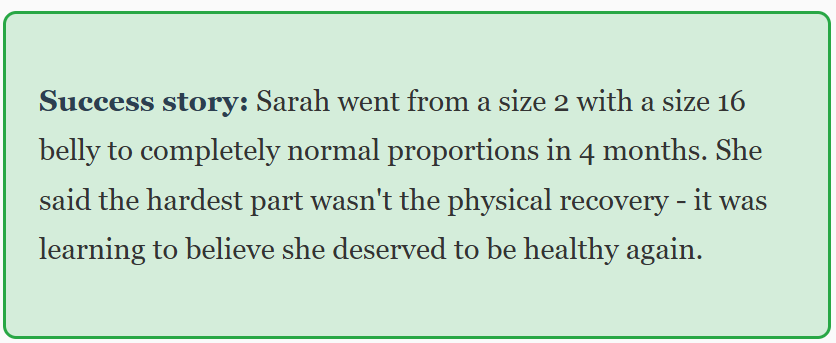
I’ve seen people go from looking pregnant to having normal, healthy stomachs.
Physical Benefits:
- Normal digestion
- Better sleep quality
- Increased energy
- Stronger immune system
- Improved mental clarity
Mental Benefits:
- Confidence in your appearance
- Pride in overcoming addiction
- Better relationships
- Clearer thinking
- Hope for the future
Building Your Support System
You can’t do this alone.
Recovery requires a team.
Professional Support:
- Doctor: Monitor your physical health
- Therapist: Address underlying issues
- Nutritionist: Optimize your diet
- Support group: Connect with others in recovery
Personal Support:
- Family members who understand
- Friends who support your recovery
- Mentor who’s been through it
- Online communities
Cut out people who enable or minimize your problem.
This isn’t the time for “fair weather friends.”
Frequently Asked Questions About Lean Gut
1. How long does it take for lean gut to develop?
Most people notice bloating within 2-4 weeks of regular lean use. The classic “lean gut” appearance usually develops over 2-6 months of consistent use.
2. Can lean gut go away without stopping lean?
No. As long as you’re consuming codeine and high amounts of sugar, your digestive system will continue to be impaired. Recovery requires complete cessation.
3. Is lean gut dangerous?
Yes. Beyond appearance, lean gut indicates serious digestive dysfunction that can lead to intestinal blockages, toxic buildup, and severe constipation requiring medical intervention.
4. What’s the fastest way to get rid of lean gut?
There’s no “fast” way that’s safe. Recovery takes 3-6 months minimum. Focus on stopping lean use, gentle gut healing foods, probiotics, and gradual exercise.
Can I use laxatives to fix the constipation?
Only under medical supervision. Overusing laxatives can worsen digestive problems and create dependency. Natural methods like hydration, fiber, and movement are safer long-term.
Will my stomach ever look normal again?
Yes, with proper recovery most people see complete or near-complete reversal of lean gut. The key is consistent effort over months, not weeks.
What foods should I avoid during recovery?
Avoid processed sugars, fried foods, carbonated drinks, and initially raw vegetables. Focus on easily digestible, gut-healing foods like bone broth, cooked vegetables, and fermented foods.
Can I drink alcohol during lean gut recovery?
Alcohol will slow your recovery and can be dangerous if you’re still dealing with opioid withdrawal. It also disrupts gut bacteria and digestion. Avoid it completely during early recovery.
The Truth About Prevention
The best cure for lean gut is never getting it in the first place.
But if you’re reading this, that ship has probably sailed.
For anyone considering lean use:
What They Don’t Tell You:
- Lean gut develops faster than you think
- Recovery takes months, not days
- The physical changes affect your entire life
- It’s not just cosmetic – it’s dangerous
- Professional help is usually necessary
The “cool factor” isn’t worth looking pregnant for months.
Trust me on this one.
Your Next Steps
If you’re dealing with lean gut right now, here’s what you need to do today:
- Stop drinking lean (get help if needed)
- See a doctor for medical evaluation
- Start hydrating aggressively
- Begin gentle movement (walking)
- Plan your support system
Don’t wait for it to get worse.
Every day you delay is another day of damage.
Ready to take control of your gut health?
Final Thoughts on Lean Gut Recovery
Here’s what I want you to remember.
Your body has an incredible ability to heal.
I’ve seen people with severe lean gut completely recover.
But it requires commitment, patience, and the right approach.
You didn’t develop lean gut overnight.
You won’t fix it overnight either.
But every day you work on recovery is a day closer to having your life back.
The bloated stomach, the digestive pain, the embarrassment – none of it has to be permanent.
You have the power to change this.
Start today.
Your future self will thank you for taking action on your lean gut recovery right now.